
What Is Airway Orthodontics? How Straightening Your Teeth Could Improve Your Breathing and Sleep

Most people think orthodontic treatment is simply about straightening teeth and creating a more attractive smile. While improving alignment is an important goal, orthodontics can also play a role in supporting healthy jaw development, bite function, and in some cases, better breathing.
Airway orthodontics is an approach that considers how the teeth, jaws, tongue, and airway work together. For certain patients, improving dental and jaw alignment may create more space for proper tongue posture and support healthy breathing patterns. Although orthodontic treatment is not a cure for breathing or sleep disorders, it may be one part of a comprehensive treatment plan for carefully selected patients.
At Waltuch & Callan Orthodontics, we perform comprehensive orthodontic evaluations to assess each patient's unique dental development and determine the most appropriate treatment options.
What Is Airway Orthodontics?
Airway orthodontics focuses on evaluating the relationship between the jaws, teeth, facial growth, and the upper airway. Instead of looking only at crooked teeth, an airway-focused orthodontic evaluation considers whether jaw development or dental alignment may be contributing to restricted oral space or unhealthy breathing habits.
This approach is especially valuable for growing children because the jaws and facial bones are still developing. In some cases, guiding jaw growth or correcting certain bite problems may support improved airway function as part of an overall treatment plan.
For adults, orthodontic treatment may also be considered alongside care provided by physicians, sleep specialists, or ENT doctors when appropriate.
How Are the Teeth and Airway Connected?
The position of your teeth and jaws can influence the amount of space available inside the mouth for the tongue. When the upper jaw is narrow or the bite is poorly aligned, the tongue may not rest comfortably against the roof of the mouth. This can sometimes contribute to mouth breathing or other functional concerns in certain individuals.
It is important to understand that breathing and sleep problems can have many different causes. Orthodontic treatment alone is not appropriate for every patient, which is why a comprehensive evaluation is essential before making treatment recommendations.
Signs That May Warrant an Airway Evaluation
Not everyone with these symptoms requires orthodontic treatment, but certain signs may suggest that further evaluation is worthwhile.
Children may experience:
- Persistent mouth breathing
- Snoring regularly
- Restless sleep
- Difficulty concentrating during the day
- Frequent daytime fatigue
- Narrow dental arches
- Crowded teeth
- Thumb sucking beyond the toddler years
- Speech concerns related to oral development
Adults may notice:
- Chronic mouth breathing
- Snoring
- Teeth grinding or clenching
- Crowded teeth
- Jaw discomfort
- Dry mouth upon waking
- Poor sleep quality
- Fatigue despite adequate hours of sleep
These symptoms do not necessarily indicate an airway problem, but they may benefit from professional evaluation.
Can Orthodontic Treatment Improve Breathing?
For some patients, Orthodontic treatment may help create a healthier oral environment that supports normal breathing patterns.
Depending on the individual's needs, treatment may:
- Improve dental arch development
- Correct bite discrepancies
- Create additional room for proper tongue positioning
- Encourage nasal breathing in appropriate cases
- Improve overall oral function
However, orthodontic treatment should never be viewed as a guaranteed treatment for snoring, sleep apnea, or breathing disorders. Patients with suspected obstructive sleep apnea or other medical conditions should be evaluated by a qualified physician or sleep medicine specialist. Orthodontic care may complement medical treatment when appropriate.
Airway Orthodontics for Children
Children often benefit the most from airway-focused evaluations because their facial bones are still growing.
Early orthodontic assessments may identify concerns such as:
- Narrow upper jaws
- Crossbites
- Improper jaw development
- Significant crowding
- Bite imbalances
When treatment is recommended during growth, orthodontic appliances may help guide jaw development while supporting healthy bite relationships. Not every child requires early intervention, but monitoring growth allows treatment to begin at the most appropriate time if needed.
Airway Orthodontics for Adults
Adults may also benefit from an airway-focused orthodontic evaluation, particularly if they have crowding, bite concerns, or jaw alignment issues.
Orthodontic treatment may be incorporated into a multidisciplinary treatment plan involving:
- Sleep physicians
- Ear, nose, and throat (ENT) specialists
- Primary care physicians
- Oral and maxillofacial specialists
Working together allows healthcare providers to address both the dental and medical aspects of airway health.
What Happens During an Airway Orthodontic Evaluation?
Your orthodontic evaluation includes much more than checking whether your teeth are straight.
Your orthodontist may assess:
- Tooth alignment & bite relationship
- Jaw position & facial growth
- Dental arch width & tongue posture
- Oral habits
- Medical and dental history
- Symptoms related to breathing or sleep
Digital photographs, X-rays, or other diagnostic records may also be recommended when appropriate. If your symptoms suggest an underlying medical sleep disorder, your orthodontist may recommend further evaluation by your physician or a sleep specialist.
Possible Orthodontic Treatments
Treatment recommendations vary depending on each patient's age and diagnosis.
Possible options may include:
- Traditional braces
- Clear braces
- Invisalign® for eligible patients
- Palatal expanders
- Growth modification appliances
- Orthodontic monitoring
- Referral to another healthcare provider when appropriate
Every treatment plan is individualized based on comprehensive clinical findings.
Why Early Evaluation Can Make a Difference
Early identification of developing orthodontic concerns allows your orthodontist to monitor facial growth and recommend treatment when the timing is most beneficial.
Many children who receive early evaluations do not begin treatment immediately. Instead, they are monitored periodically until growth reaches the ideal stage for orthodontic intervention. This proactive approach helps ensure that treatment is performed only when it offers the greatest potential benefit.
Why Families Choose Waltuch & Callan Orthodontics
Families throughout Edison and the surrounding communities choose Waltuch & Callan Orthodontics because we take a comprehensive approach to orthodontic care.
Our practice provides:
- Comprehensive orthodontic evaluations
- Airway-conscious orthodontic assessments
- Personalized treatment planning
- Traditional braces and Invisalign®
- Early orthodontic monitoring
- Advanced digital technology
- Treatment for children, teens, and adults
- Compassionate, patient-focused care
We believe every smile deserves an individualized treatment plan that supports both dental health and long-term function.
Schedule an Orthodontic Evaluation in Edison, NJ
If you or your child experiences mouth breathing, crowded teeth, bite concerns, or symptoms that may be related to airway development, an orthodontic evaluation can provide valuable insight into your treatment options.
At Waltuch & Callan Orthodontics, we carefully evaluate your smile, jaw development, and bite to determine whether orthodontic treatment may benefit your oral health and overall function. Contact our office today to schedule your consultation.
FAQs About Airway Orthodontics
Q1: What is airway orthodontics?
A: Airway orthodontics is an approach that considers how the teeth, jaws, facial development, and airway work together. It evaluates whether orthodontic treatment may help improve oral function and support healthy breathing as part of an individualized treatment plan.
Q2: Can braces or Invisalign cure sleep apnea?
A: No. Braces and Invisalign are not cures for obstructive sleep apnea or other sleep disorders. If sleep apnea is suspected, evaluation by a physician or sleep specialist is essential. Orthodontic treatment may be recommended as one component of a broader care plan for selected patients.
Q3: Does mouth breathing always mean my child needs orthodontic treatment?
A: No. Mouth breathing can have many causes, including allergies, enlarged tonsils or adenoids, nasal congestion, and certain orthodontic concerns. A comprehensive evaluation helps determine whether orthodontic factors are contributing and whether referral to another healthcare provider is appropriate.
Q4: At what age should children have an airway-focused orthodontic evaluation?
A: The American Association of Orthodontists recommends that children have their first orthodontic evaluation by around age 7. This allows the orthodontist to assess jaw growth, tooth eruption, bite development, and identify any concerns that may benefit from monitoring or early intervention.
Q5: Who is a good candidate for airway orthodontics?
A: Candidates may include children or adults with crowded teeth, narrow dental arches, bite problems, mouth breathing, or other concerns identified during an orthodontic examination. Every patient is different, so a comprehensive evaluation is the best way to determine whether an airway-focused orthodontic approach is appropriate.
Recent Posts
What Is Airway Orthodontics? How Straightening Your Teeth Could Improve Your Breathing and Sleep
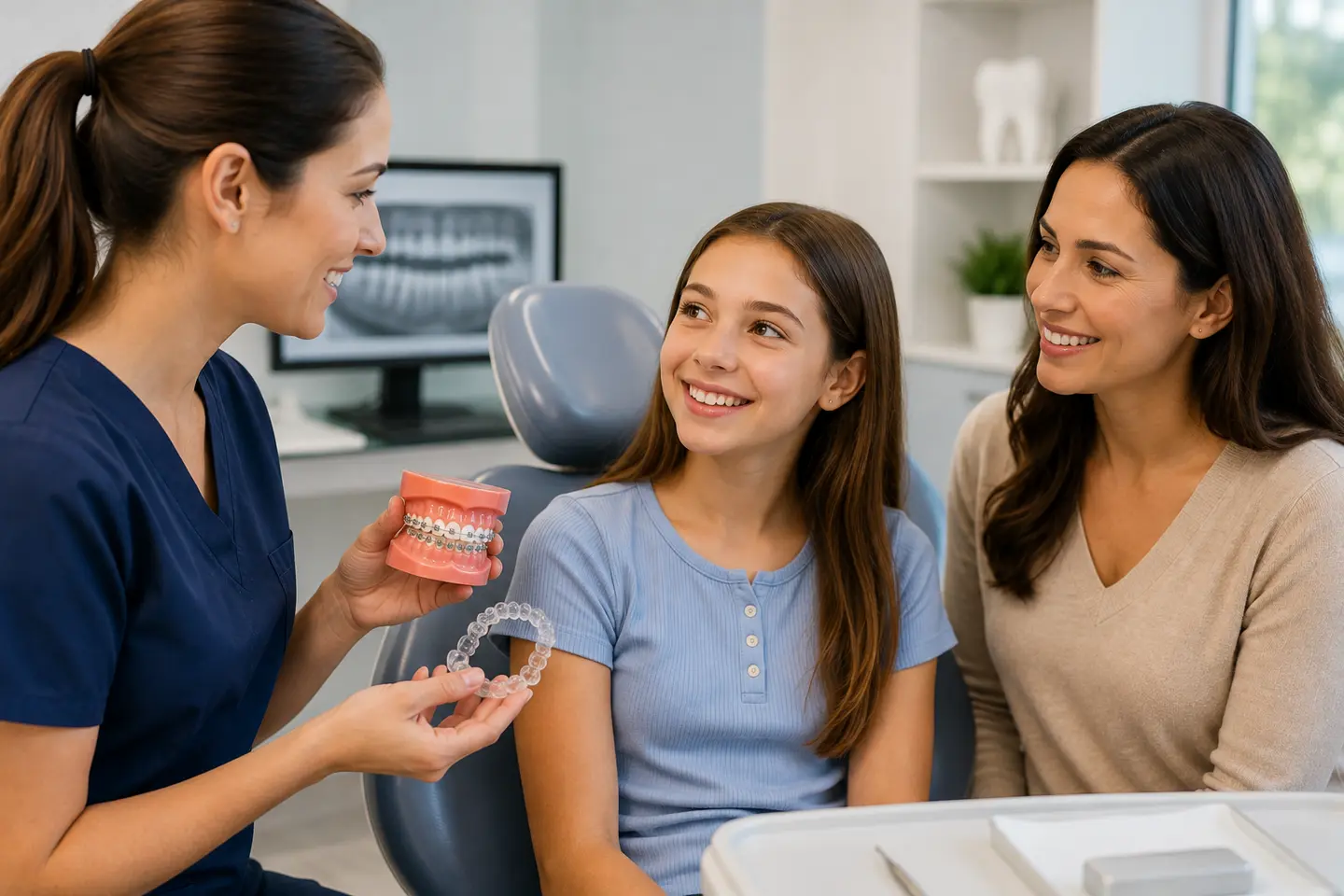
Kids Braces vs. Invisalign Teen: Which Is the Better Choice for Your Child?

How Much Do Braces Cost in NJ? Pricing, Insurance, and Payment Options

Braces vs Invisalign: Which Treatment Is Worth the Cost in 2026?
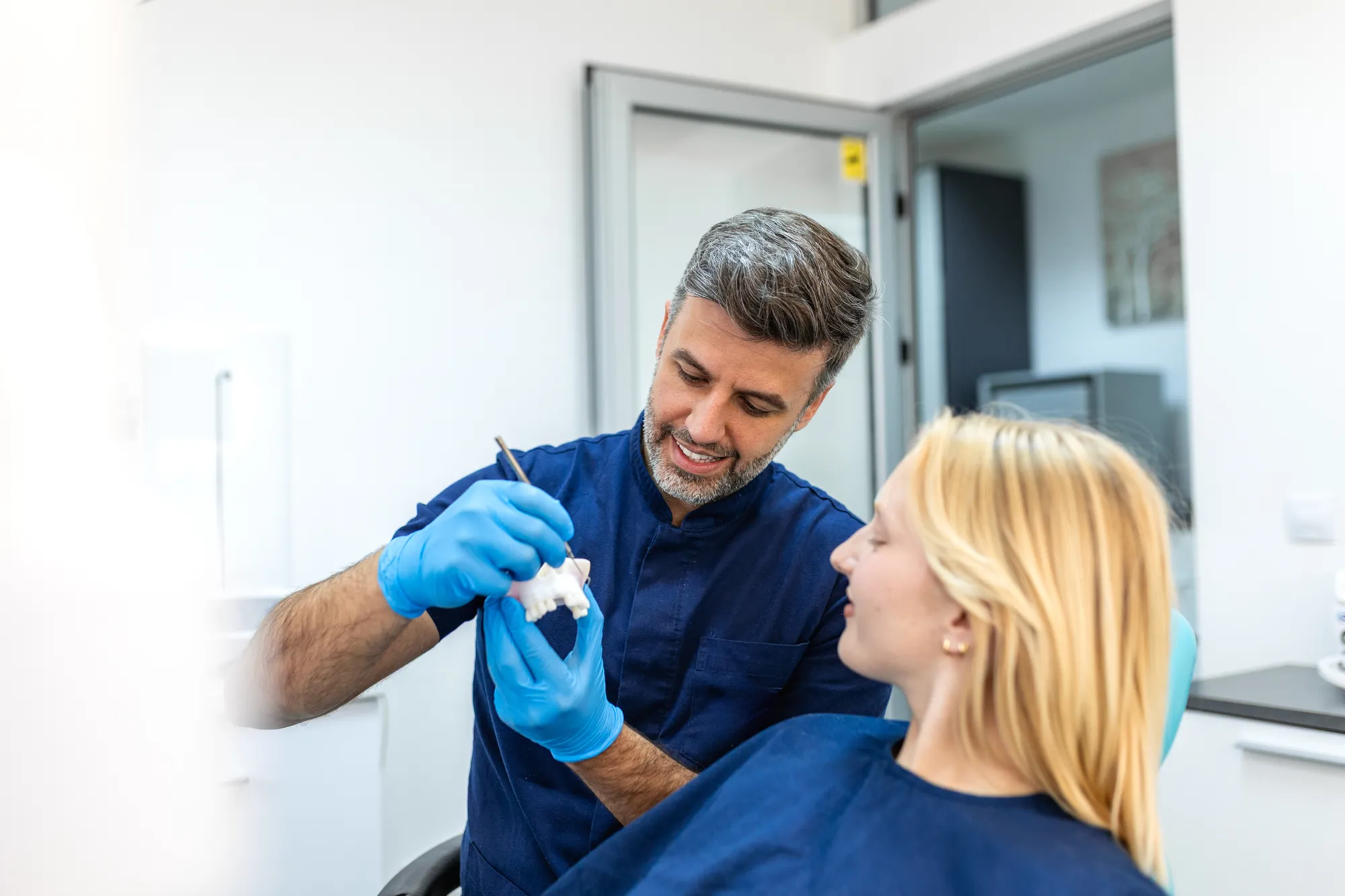
Signs You Need an Orthodontist (And Why Early Treatment Saves Money)

Invisalign for Adults: Pros, Cons, and Real Results

When Should Your Child See an Orthodontist? A Parent’s Cost and Care Guide
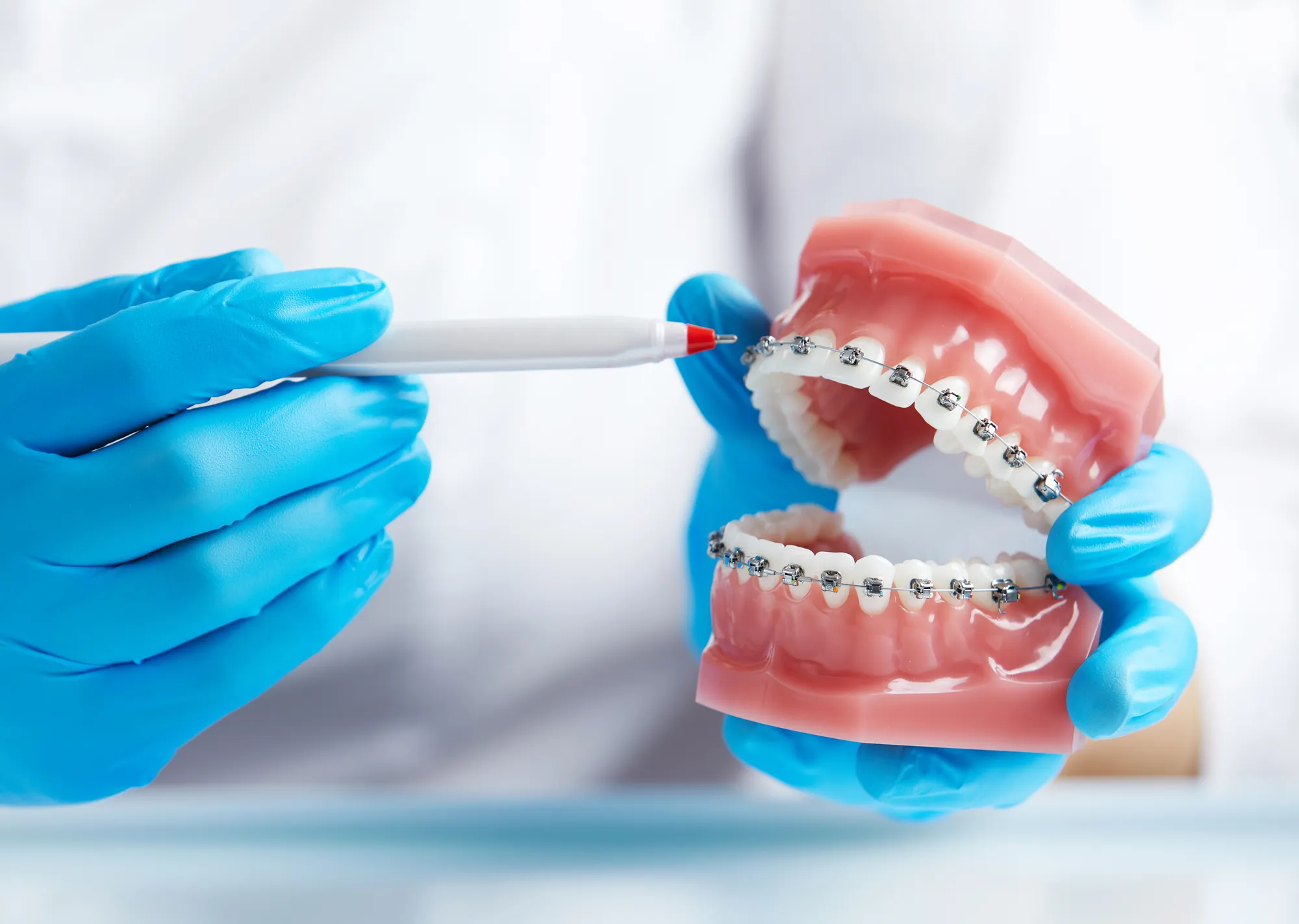
Metal Braces in 2026: Are They Still the Best Option?

Does Insurance Cover Braces? What NJ Patients Need to Know
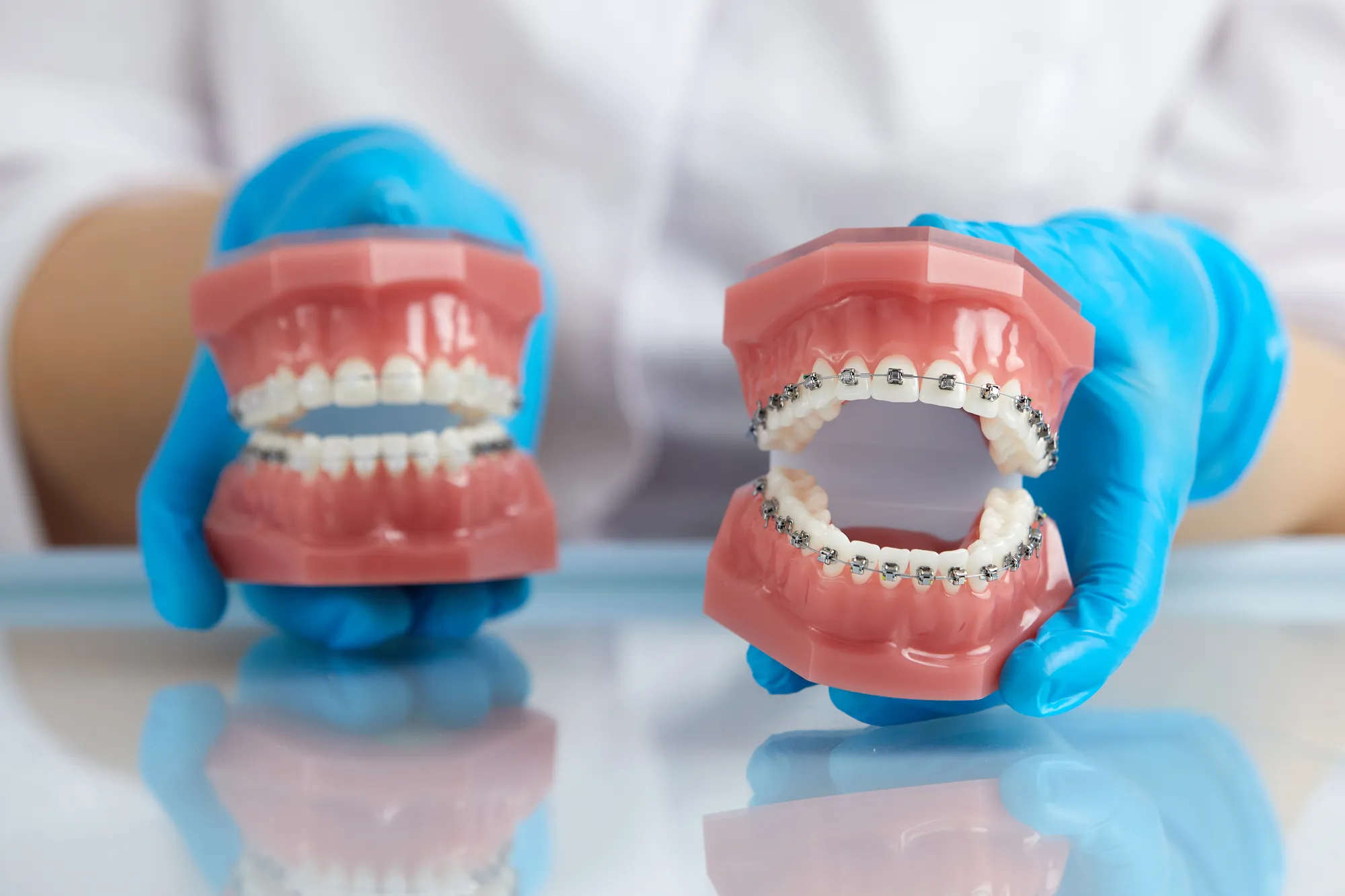
Invisible Braces vs Metal Braces: Which Is Faster?

What Happens at Your First Orthodontic Consultation?

Adult Braces Timeline: How Long Treatment Really Takes
Is It Too Late to Get Braces or Invisalign as an Adult? The Truth Might Surprise You

What Age Should My Child First See an Orthodontist? An Edison Parent’s Complete Guide
How Much Does Invisalign Cost in Edison, NJ? A Straight-Talking 2026 Pricing Guide

7 Signs Your Child May Need Braces or Orthodontic Treatment (And What to Do Next)
Welcome to Waltuch and Callan Orthodontics
Let’s create your dream smile
Your smile deserves a dedicated team who takes the time to get it right. With friendly specialists, modern tools, and a comfortable approach, Waltuch and Callan Orthodontics is ready to help you get started.