
Retainers After Braces or Invisalign

Retainers After Braces or Invisalign: How Long Do You Really Need to Wear One?
Finishing braces or Invisalign treatment is an exciting milestone. Your teeth have moved into their planned positions, and you can finally enjoy the results of your orthodontic treatment. However, there is one important step that should not be overlooked: wearing a retainer.
Retainers help keep your teeth in their new positions after orthodontic treatment. Without them, teeth can gradually shift, potentially affecting the alignment you have worked to achieve. This movement can happen after traditional braces as well as clear aligner treatment.
At Waltuch & Callan Orthodontics, we help patients understand the importance of retention and how to maintain their orthodontic results. If you are completing treatment in Edison, NJ, this guide explains how long you may need to wear a retainer, the different types available, and how to care for it.
Why Do You Need a Retainer After Braces or Invisalign?
Braces and clear aligners move teeth by applying controlled forces over time. As the teeth move, the surrounding bone and supporting tissues adapt to their new positions. However, these tissues need time to stabilise, and teeth can continue to shift naturally throughout life.
A retainer helps maintain the alignment achieved during orthodontic treatment while reducing the risk of unwanted movement.
There are several reasons your orthodontist may recommend a retainer:
- Preventing teeth from shifting: Teeth can gradually move towards their previous positions after active treatment ends.
- Supporting long-term alignment: Retainers help maintain the positions achieved with braces or clear aligners.
- Allowing supporting tissues to adapt: The bone and soft tissues surrounding the teeth continue to remodel after orthodontic movement.
- Maintaining your bite: Retention helps preserve the relationship between your upper and lower teeth.
Retainers are an essential part of orthodontic treatment, not an optional extra. Even if your teeth appear perfectly straight after braces or Invisalign, they may still move without appropriate retention.
How Long Do You Really Need to Wear a Retainer?
In most cases, you should expect to wear a retainer long-term, often for the rest of your life. However, the number of hours you need to wear it each day may change over time.
The exact schedule depends on your orthodontic treatment, the type of retainer, the stability of your teeth, and your orthodontist's recommendations.
Immediately After Braces or Invisalign
Some patients are instructed to wear a removable retainer for most of the day during the initial retention period, removing it for eating, drinking anything other than water, and cleaning their teeth. Others may receive a different schedule based on their treatment plan.
This early period is particularly important because the tissues supporting your teeth are still adapting to their new positions.
Follow the instructions provided by your orthodontist rather than assuming that nighttime wear alone is sufficient from the beginning.
After the Initial Retention Period
Once your orthodontist determines that your teeth are sufficiently stable, you may be advised to reduce your removable retainer wear to nighttime use.
For many patients, wearing a retainer every night becomes part of their long-term oral care routine. However, the timing of this transition varies, so you should not change your schedule without professional guidance.
Long-Term Retainer Wear
Even years after treatment, your teeth can move due to natural ageing, changes in the supporting tissues, and everyday forces such as chewing.
For this reason, long-term retainer use is generally recommended if you want to maintain your orthodontic alignment.
The key is consistency. Wearing your retainer as instructed can help reduce the likelihood of unwanted tooth movement over time.
Is Retainer Wear Different After Braces and Invisalign?
The basic purpose of a retainer is the same after both treatments: to help keep your teeth in their corrected positions.
However, the appliance you receive and the instructions for wearing it may differ.
Retainers After Traditional Braces
After your braces are removed, your orthodontist may recommend a removable retainer, a fixed retainer, or a combination of both.
A removable retainer may need to be worn according to a specific daily schedule before transitioning to nighttime wear. A fixed retainer, on the other hand, remains attached to the back of certain teeth and provides continuous support.
The appropriate option depends on your tooth alignment, treatment history, and individual risk of relapse.
Retainers After Invisalign
Completing Invisalign treatment does not mean that your teeth will remain in position without further support. Clear aligners move teeth during active treatment, but retainers are needed to help maintain those results.
Your orthodontist may recommend a clear removable retainer, a fixed retainer, or another suitable option depending on your needs.
Although a clear retainer may look similar to an Invisalign aligner, it serves a different purpose. The retainer is designed to maintain your corrected alignment rather than continue the planned sequence of tooth movements.
If you have completed Invisalign, ask your orthodontist when to begin wearing your retainer and how many hours per day it should remain in place.
What Are the Different Types of Retainers?
There are two main categories of retainers: removable and fixed. Each has advantages and practical considerations.
1. Clear Removable Retainers
Clear retainers are custom-made trays that fit over your teeth. They are relatively discreet and can be removed for meals, brushing, flossing, and cleaning the appliance.
Potential benefits include:
- A discreet appearance.
- Convenient removal for eating and cleaning.
- Coverage of the teeth according to the retainer design.
- No permanent wire attached to the teeth.
However, clear retainers need regular cleaning and careful storage. They can also crack, become damaged, or lose their fit over time.
2. Hawley Retainers
Hawley retainers typically consist of an acrylic base and a metal wire that holds the teeth in position. They are removable and can be adjusted by an orthodontist when appropriate.
They are generally durable, but the wire and acrylic components are more noticeable than clear retainers. As with other removable appliances, they must be worn according to instructions to remain effective.
3. Fixed or Bonded Retainers
A fixed retainer usually consists of a thin wire bonded to the back surfaces of selected teeth, commonly the lower front teeth.
Because it remains attached, you do not need to remember to insert it every night. However, cleaning requires additional attention because plaque can collect around the wire and bonding material.
Fixed retainers also need regular checks to ensure the wire remains securely attached.
Your orthodontist can help determine which type is appropriate for your treatment results and daily routine.
What Happens If You Stop Wearing Your Retainer?
If you stop wearing your retainer, your teeth may gradually move away from their corrected positions. The amount of movement varies between individuals, and it is not always immediately noticeable.
Some patients notice small gaps returning or front teeth becoming slightly crowded. Others may experience changes in their bite or find that their retainer no longer fits properly.
If tooth movement becomes significant, additional orthodontic treatment may be needed to correct it.
Here is what you should do if you have stopped wearing your retainer:
- Check the fit: Notice whether the retainer still fits comfortably over your teeth.
- Do not force it: If it no longer fits properly or causes significant pain, do not force it into place.
- Contact your orthodontist: An assessment can help determine whether you need a replacement retainer or further treatment.
- Follow the revised instructions: Your orthodontist can advise you on the next steps based on the amount of tooth movement.
The sooner you address changes in tooth alignment, the easier it may be to manage the situation.
What If Your Retainer Feels Tight?
A retainer that feels slightly tighter than usual may indicate that your teeth have shifted a little, particularly if you have missed several nights of wear.
However, tightness should not automatically be ignored. A damaged or distorted retainer may also fit differently.
If the retainer still fits fully and causes no pain, contact your orthodontist for guidance about whether you should continue wearing it as directed. If it does not seat properly, causes significant discomfort, or appears damaged, avoid forcing it over your teeth.
Your orthodontist can assess the fit and determine whether your current retainer is still suitable.
How Should You Care for Your Retainer?
Proper care helps keep your retainer clean, functional, and comfortable.
Clean It Daily
For removable retainers, rinse the appliance and clean it gently using a soft toothbrush and a cleaning method recommended by your orthodontist. Use a suitable retainer-cleaning product when advised.
Avoid hot or boiling water because heat can distort many plastic retainers. Also, avoid harsh cleaning chemicals that may damage the appliance.
Store It in Its Case
Whenever you remove your retainer, place it in its protective case. Wrapping it in a tissue or leaving it on a table increases the risk of accidental loss or damage.
Keep it away from pets, as retainers can be damaged if chewed.
Remove It Before Eating
Most removable retainers should be taken out before eating. Follow your orthodontist's instructions about drinking while wearing them, particularly when consuming anything other than water.
Maintain Good Oral Hygiene
Brush and floss your teeth before reinserting a removable retainer whenever practical. Keeping both your teeth and appliance clean helps reduce plaque accumulation and unpleasant odours.
For fixed retainers, brush carefully around the wire and use an appropriate flossing method to clean between the teeth.
Attend Retainer Check-Ups
Retainers can wear out, become damaged, or stop fitting properly over time. Your orthodontist can check the appliance and recommend repair or replacement when necessary.
How Often Should You Replace Your Retainer?
There is no single replacement schedule that applies to every patient. Some retainers last for years with proper care, while others may need to be replaced sooner because of damage, wear, or changes in fit.
You may need a replacement if your retainer:
- Has developed cracks or breaks.
- Has become warped or distorted.
- No longer fits properly.
- Has loose or damaged components.
- Has become difficult to clean adequately.
How Waltuch & Callan Orthodontics Helps Patients Maintain Their Results
At Waltuch & Callan Orthodontics, we recognise that completing braces or Invisalign treatment is only one part of the orthodontic process. Retention plays an important role in maintaining the alignment achieved during active treatment.
Our team can help patients understand their retainer options, follow appropriate wear schedules, and recognise when an appliance may need attention.
Whether you have recently completed treatment or have questions about an existing retainer, an orthodontic evaluation can help clarify the next steps based on your individual needs.
Patients in Edison, NJ, can contact our practice to learn more about orthodontic treatment and retainer care.
Schedule an Orthodontic Consultation in Edison, NJ
Retainers help protect the alignment achieved with braces or Invisalign, but their effectiveness depends on consistent wear and appropriate care. Although your daily wear schedule may change over time, long-term retention is generally recommended because teeth can continue to shift throughout life.
At Waltuch & Callan Orthodontics, we help patients understand how to maintain their orthodontic results and care for their retainers.
If you are finishing orthodontic treatment, have questions about your retainer schedule, or have noticed changes in your tooth alignment, contact Waltuch & Callan Orthodontics to arrange an evaluation in Edison, NJ.
FAQs About Retainers After Braces or Invisalign
Q1: Do I have to wear my retainer forever after braces?
Most patients need long-term retainer use to help maintain their tooth alignment. Your orthodontist may initially recommend more frequent wear before transitioning to a nighttime schedule. Even after your teeth have stabilised, natural changes can occur throughout life. Continuing to wear your retainer as instructed can reduce the risk of unwanted movement.
Q2: How many hours a day should I wear my retainer?
The number of hours depends on your treatment plan and the type of retainer you have. Some patients need to wear a removable retainer for most of the day initially, while others may receive different instructions. Nighttime wear is commonly recommended for long-term retention. Follow your orthodontist's schedule rather than changing your wear time independently.
Q3: Can my teeth shift after Invisalign treatment?
Yes. Teeth can move after Invisalign just as they can after traditional braces. Clear aligners move teeth during active treatment, but a retainer helps maintain the corrected positions afterwards. Wearing your retainer consistently according to your orthodontist's instructions can reduce the risk of relapse.
Q4: What happens if I forget to wear my retainer for a few nights?
A few missed nights do not necessarily mean that significant tooth movement has occurred, but your retainer may feel tighter if your teeth have shifted. If it fits fully and does not cause pain, ask your orthodontist for guidance about resuming wear. Do not force it into place if it no longer fits properly or causes significant discomfort.
Q5: Can I wear my old retainer if my teeth have shifted?
It depends on whether the retainer still fits correctly and whether the tooth movement is minor. Do not force an old retainer onto your teeth if it feels painful, does not seat fully, or appears damaged. An orthodontist can assess the fit and determine whether the retainer remains suitable, needs replacement, or whether further treatment may be necessary.
Q6: Is a fixed retainer better than a removable retainer?
Neither type is automatically better for every patient. Fixed retainers provide continuous support without requiring daily insertion, but they need careful cleaning and regular checks. Removable retainers are easier to clean outside the mouth but depend on consistent wear. Your orthodontist can recommend the most suitable option based on your treatment history, alignment, and oral hygiene needs.
Recent Posts
How a Straighter Smile Can Boost Your Child's Confidence:
Retainers After Braces or Invisalign

What Is Airway Orthodontics? How Straightening Your Teeth Could Improve Your Breathing and Sleep
Kids Braces vs. Invisalign Teen: Which Is the Better Choice for Your Child?
How Much Do Braces Cost in NJ? Pricing, Insurance, and Payment Options
Braces vs Invisalign: Which Treatment Is Worth the Cost in 2026?
Signs You Need an Orthodontist (And Why Early Treatment Saves Money)
Invisalign for Adults: Pros, Cons, and Real Results

When Should Your Child See an Orthodontist? A Parent’s Cost and Care Guide
Metal Braces in 2026: Are They Still the Best Option?
Does Insurance Cover Braces? What NJ Patients Need to Know
Invisible Braces vs Metal Braces: Which Is Faster?

What Happens at Your First Orthodontic Consultation?

Adult Braces Timeline: How Long Treatment Really Takes
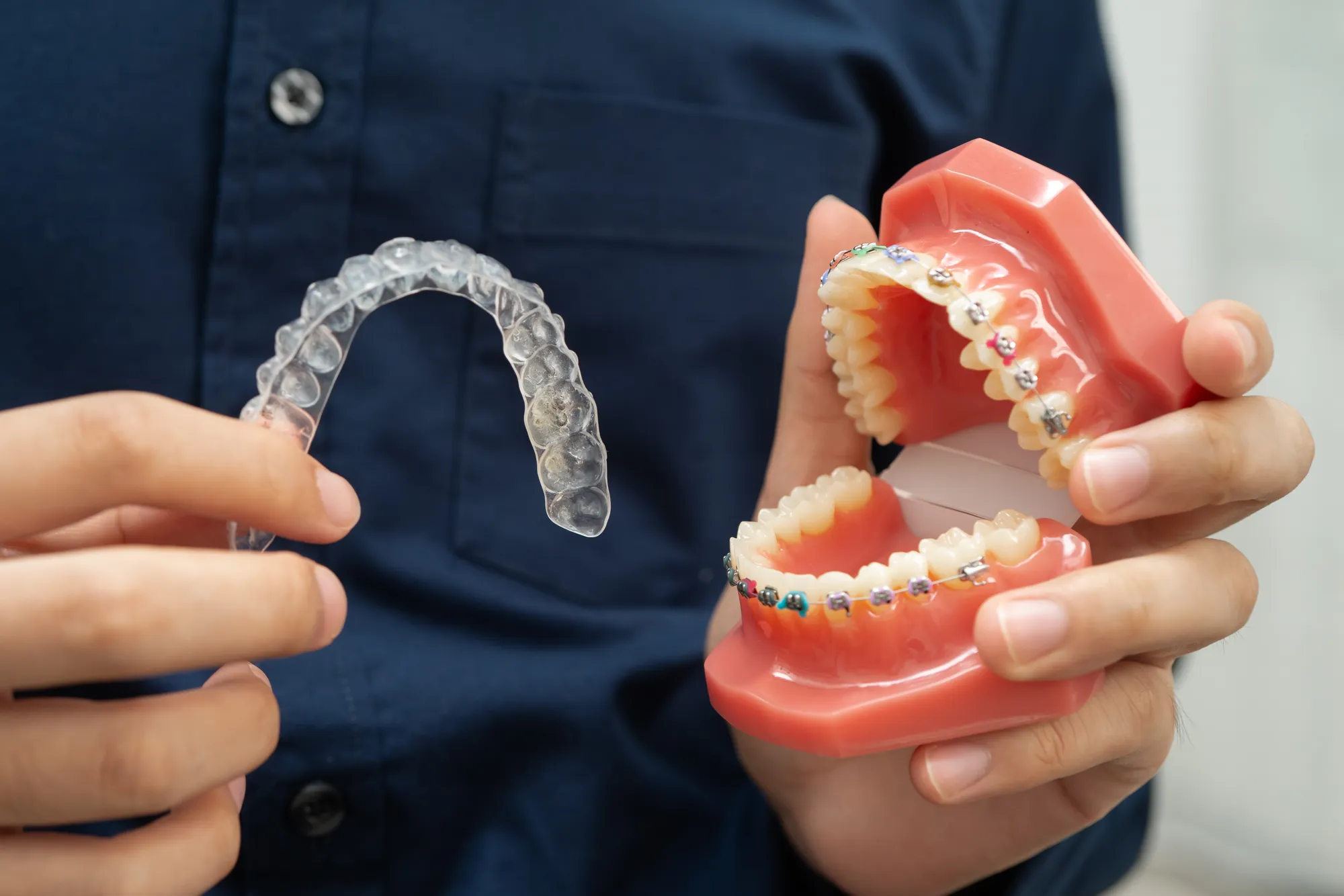
Is It Too Late to Get Braces or Invisalign as an Adult? The Truth Might Surprise You

What Age Should My Child First See an Orthodontist? An Edison Parent’s Complete Guide
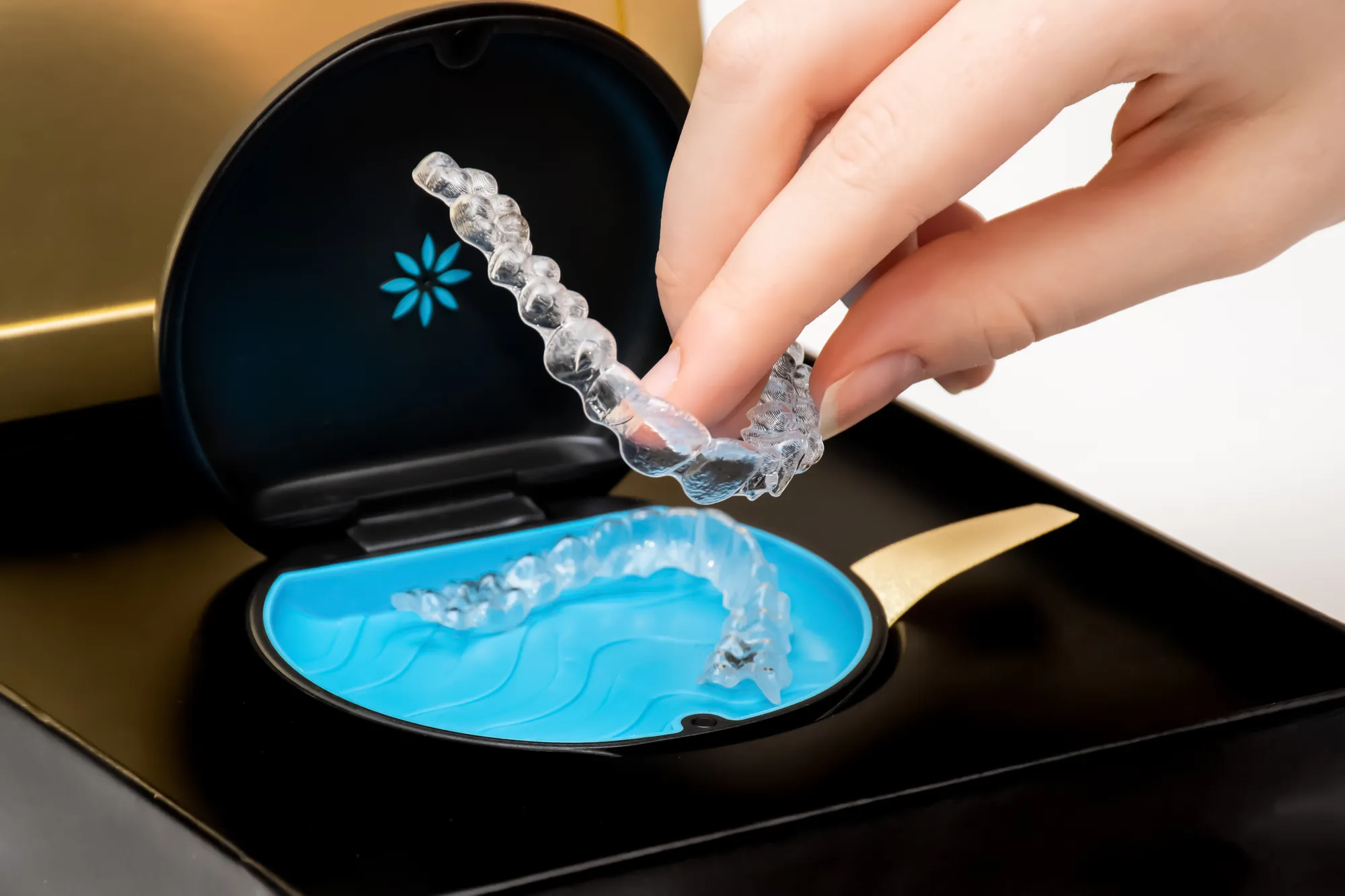
How Much Does Invisalign Cost in Edison, NJ? A Straight-Talking 2026 Pricing Guide

7 Signs Your Child May Need Braces or Orthodontic Treatment (And What to Do Next)
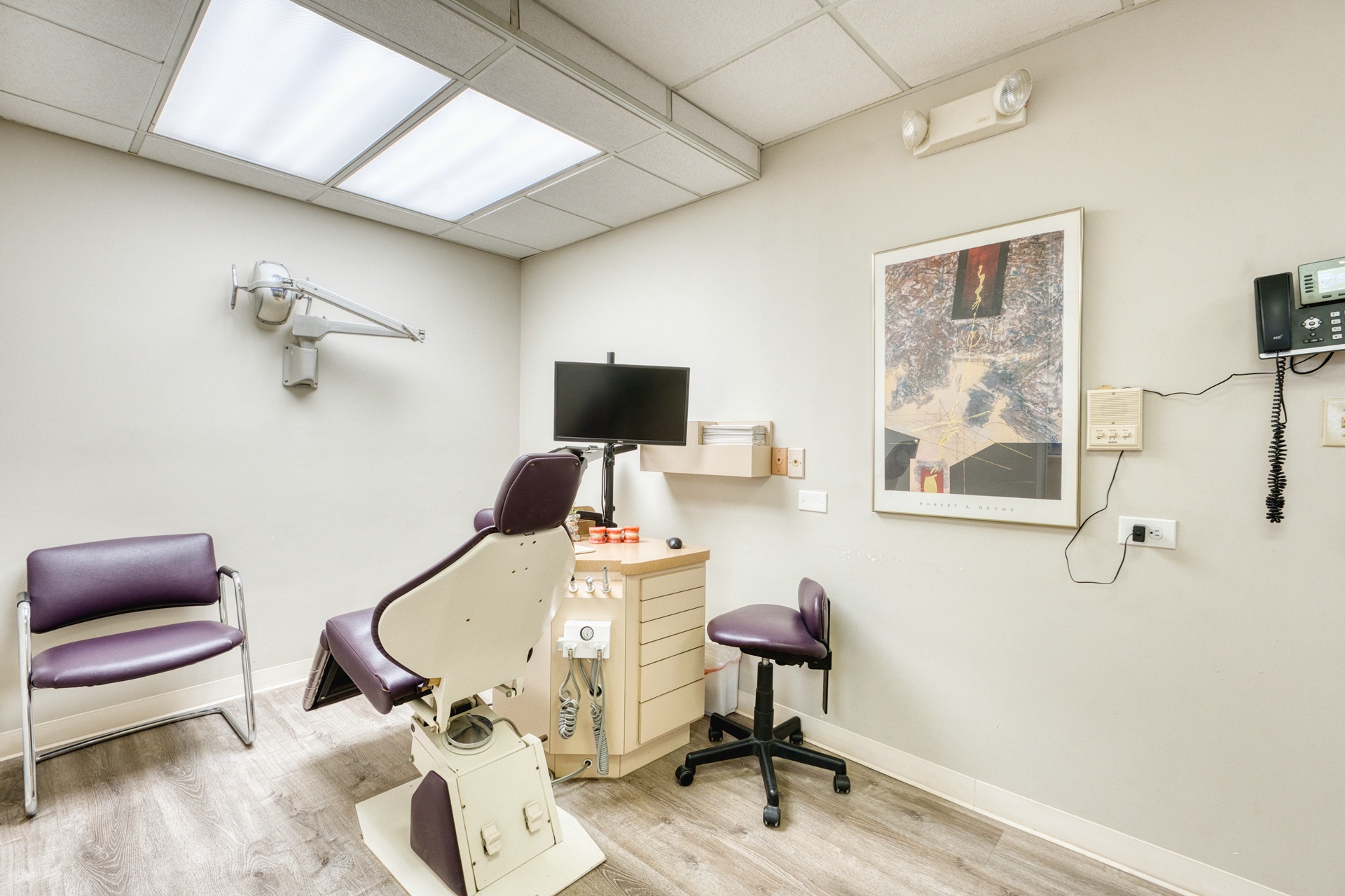
Welcome to Waltuch and Callan Orthodontics
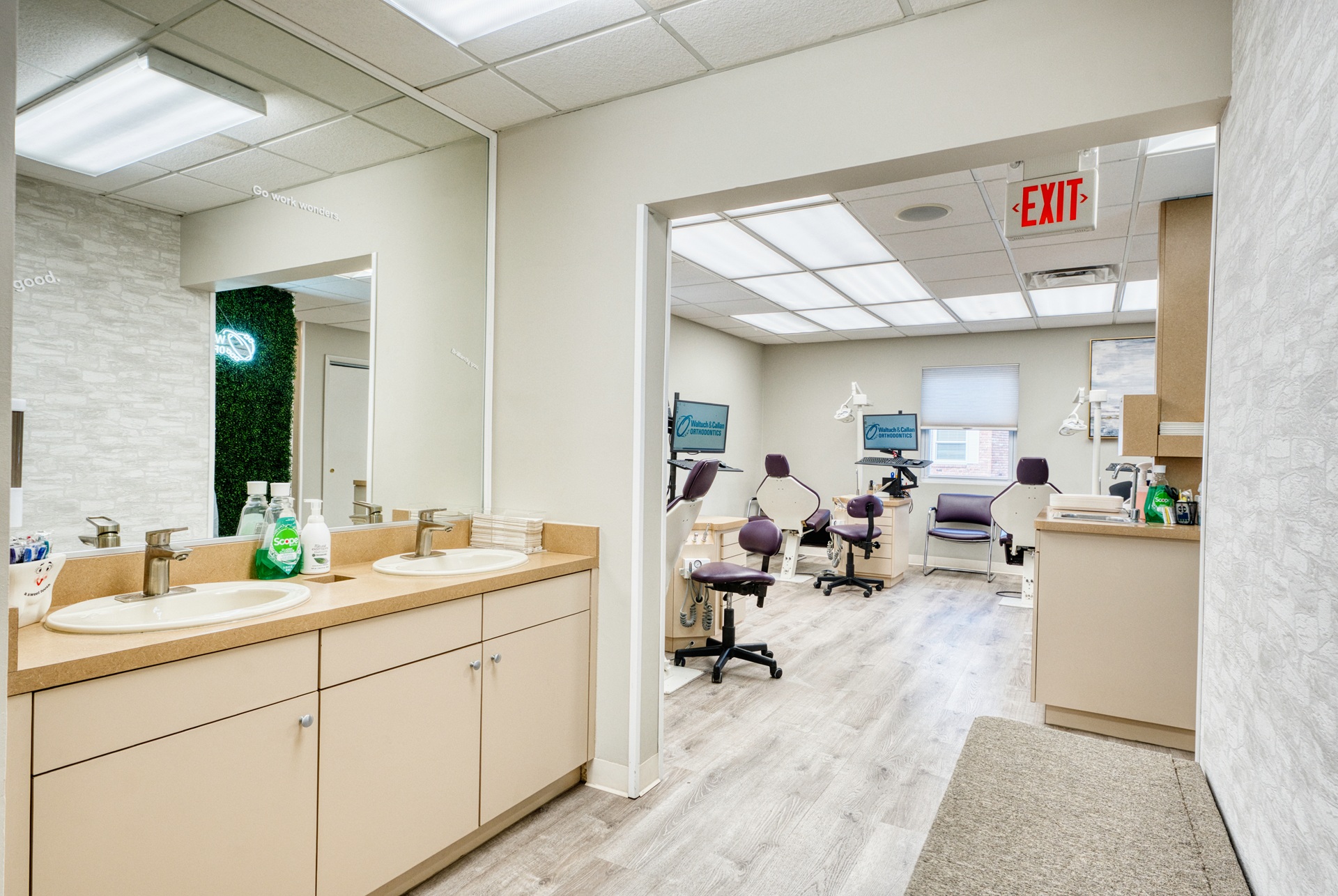
Let’s create your dream smile
Your smile deserves a dedicated team who takes the time to get it right. With friendly specialists, modern tools, and a comfortable approach, Waltuch and Callan Orthodontics is ready to help you get started.